
What Happens to a Pallet After Pickup? Inside the Pallet Recycling Process
Wood pallets are a constant presence in warehouses, distribution centers, and manufacturing facilities. They support nearly every stage of the supply chain, yet once a pallet becomes damaged or surplus, many businesses give little thought to what happens next.
Does it end up in a landfill? Is it repaired? Can it really be reused?
The truth is that pallet recycling is a structured, intentional process designed to recover value, reduce waste, and keep materials in circulation.
Understanding what happens after a pallet is picked up helps businesses make more informed decisions about sustainability, cost control, and supply chain efficiency.
Step One: Collection and Evaluation
The pallet recycling process begins with collection. Used pallets are gathered from warehouses, distribution centers, retail facilities, and industrial operations where they have reached the end of their current use cycle.
These pallets may be lightly worn, structurally damaged, or no longer suited to a specific application.
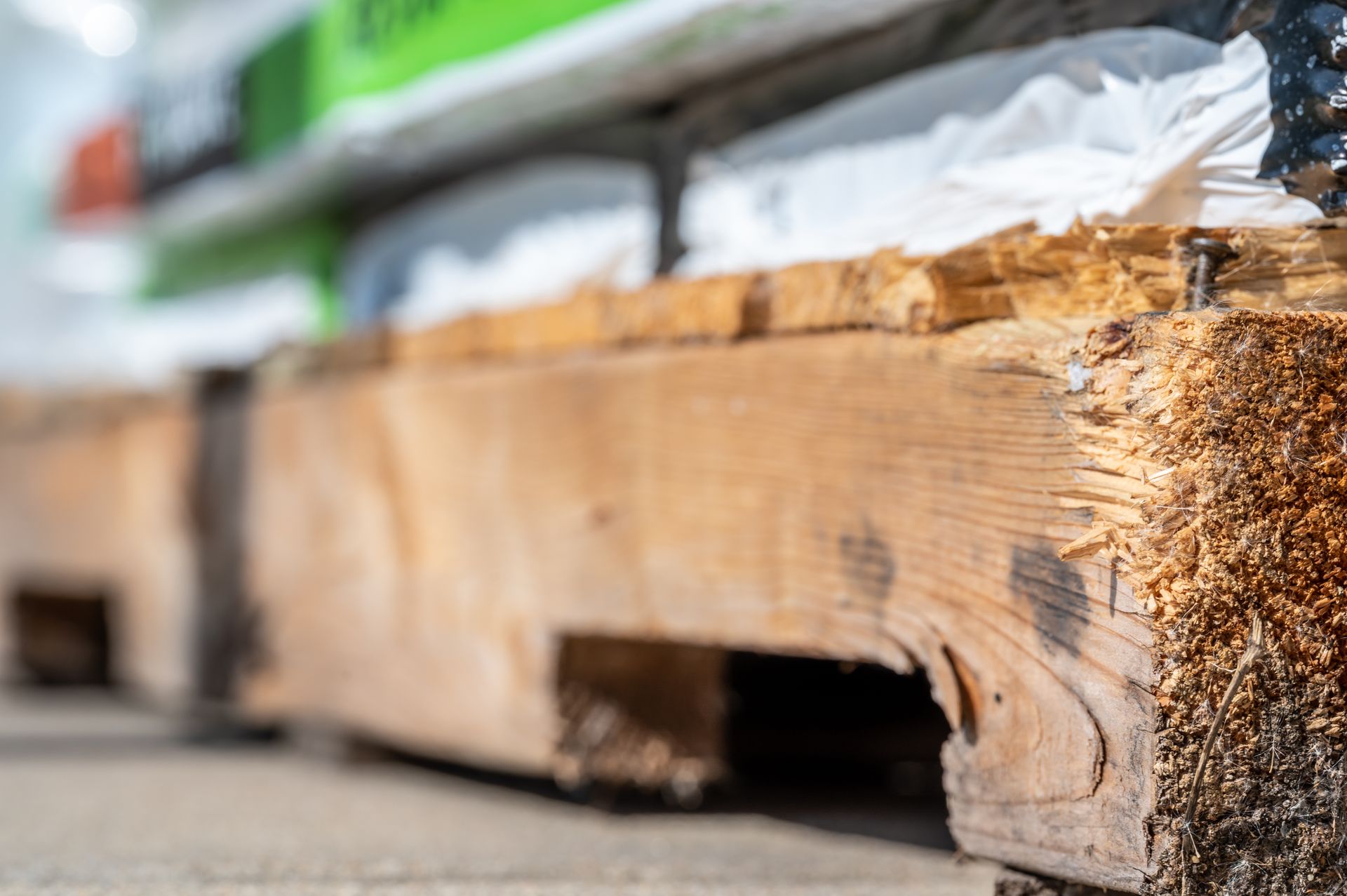
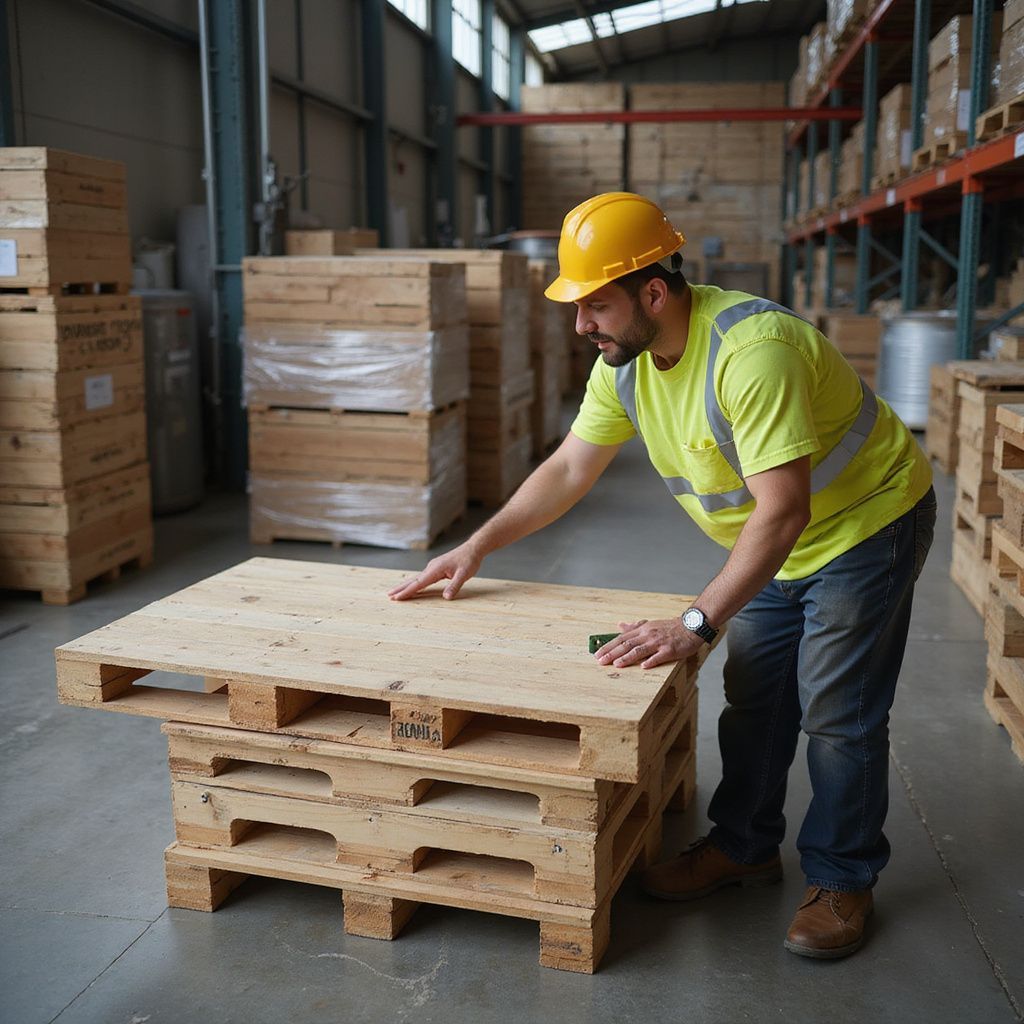
Once collected, each pallet is carefully inspected to evaluate its condition. This initial inspection determines whether a pallet can be reused as is, repaired, or dismantled for material recovery.
Factors such as structural integrity, board condition, and overall stability play a key role in deciding its next step.
This evaluation stage is critical. It ensures only safe, reliable pallets return to service while preventing compromised pallets from being reused incorrectly.
Step Two: Sorting and Dismantling
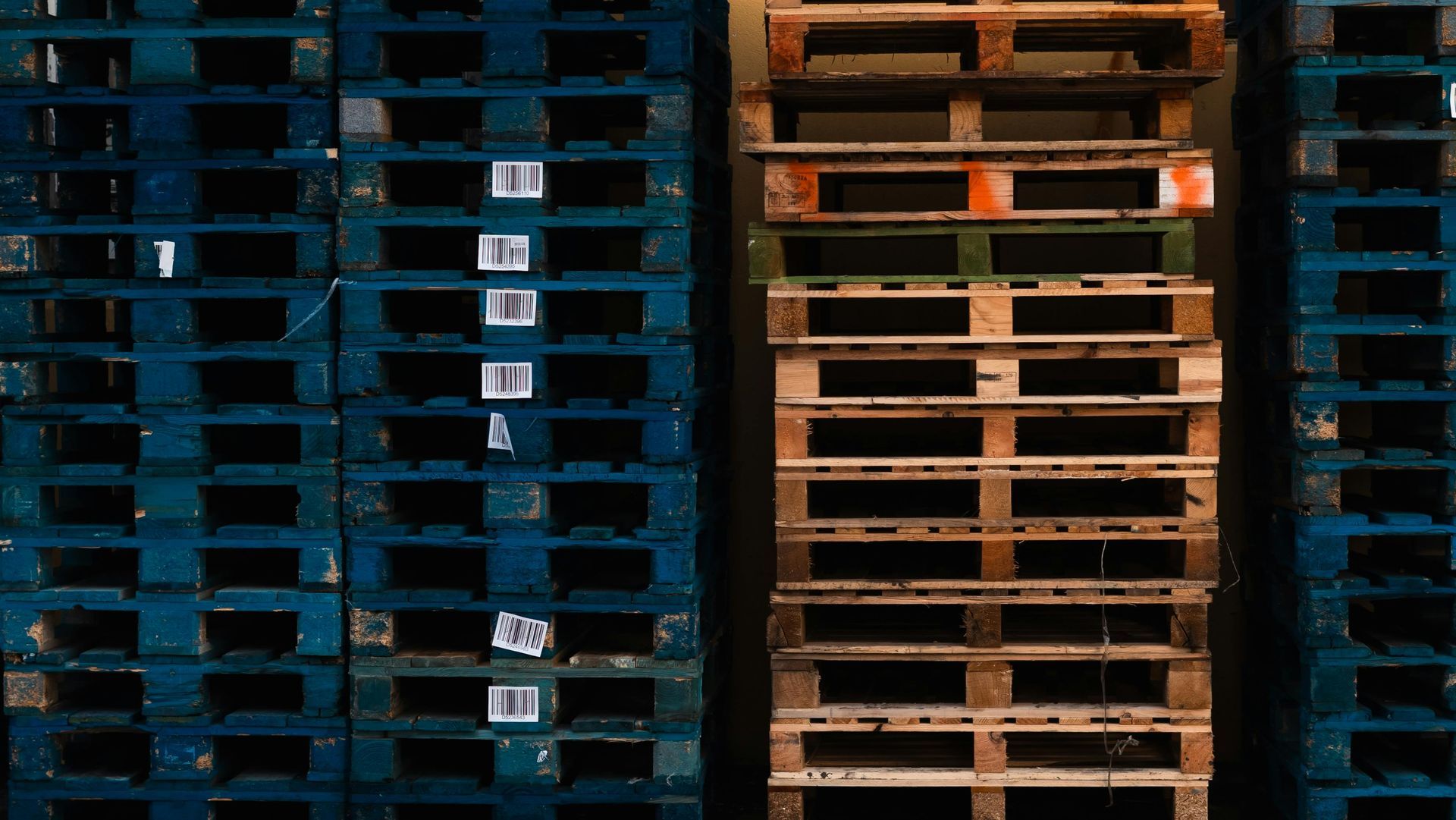
After inspection, pallets are sorted by type, size, and quality. Sorting allows recyclable materials to be processed efficiently while maintaining consistency and quality standards.
Pallets that are no longer usable in their current form are dismantled to salvage as much functional material as possible.
During dismantling, reusable deck boards, stringers, and components are separated from damaged pieces. The usable wood is preserved for future use, while broken or compromised materials are removed from the pallet stream.
This stage helps maximize resource recovery and significantly reduces the amount of waste sent to landfills.
Step Three: Reprocessing and Reassembly
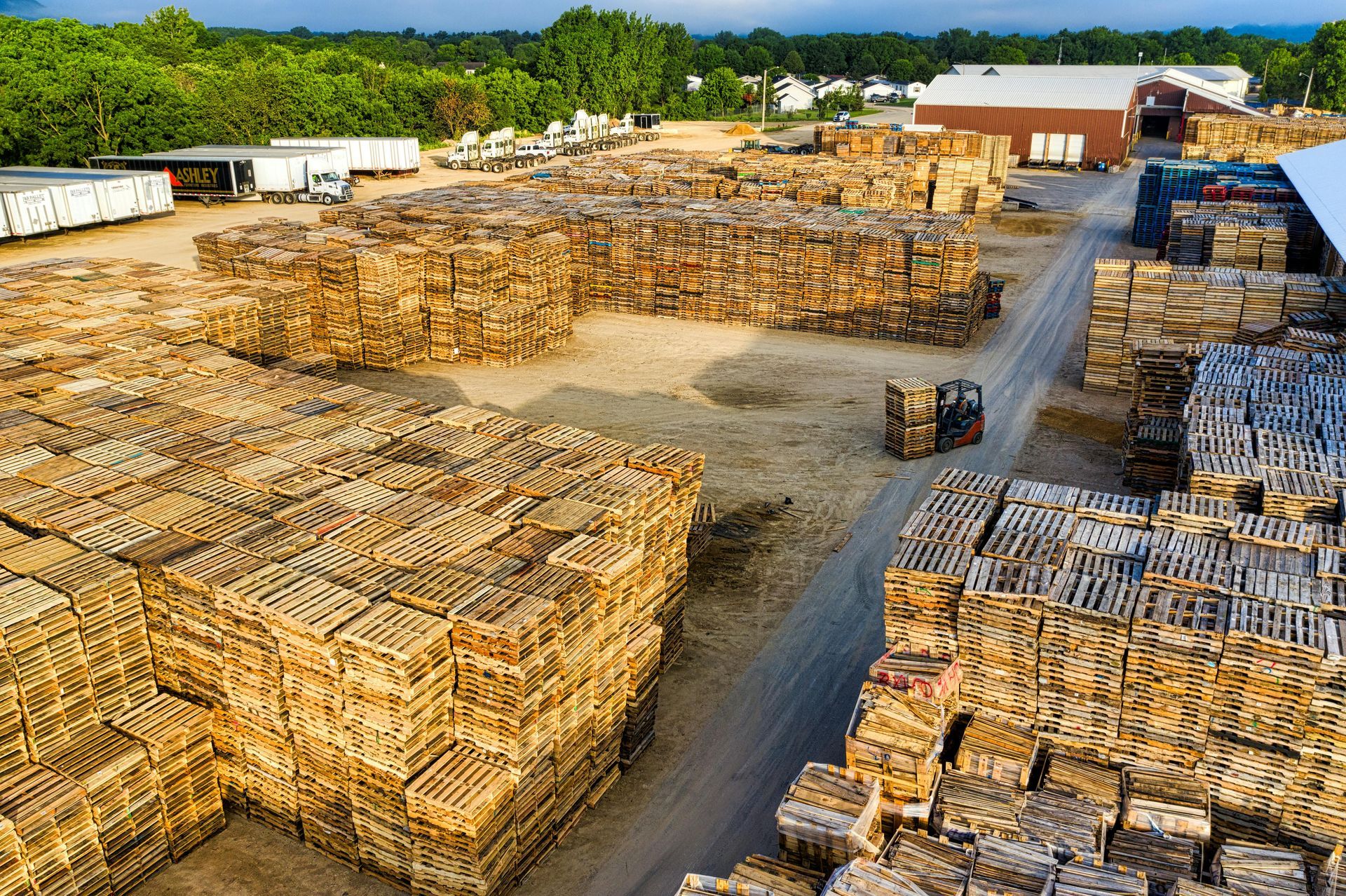
Recovered materials don't go unused. Salvaged pallet components are processed and prepared for reassembly, where they are rebuilt into durable, dependable pallets.
Reassembled pallets are constructed to meet quality and performance standards, allowing them to be safely reintroduced into commercial and industrial environments.
By rebuilding pallets instead of manufacturing entirely new ones, businesses benefit from a reliable pallet supply while conserving raw materials.
Reprocessed pallets help support consistent operations without sacrificing strength or functionality, making them a practical option for many logistics applications.
When a Pallet Can't Be Rebuilt
Not every pallet is suitable for refurbishment. When damage is too extensive for repair, the material still holds value. Wood from pallets that can't be rebuilt is responsibly processed rather than discarded.
This approach keeps materials out of landfills and ensures that even end‑of‑life pallets contribute to a more efficient materials cycle.
Recycling unusable pallet components reinforces a circular approach to pallet management, one in which materials are reused or repurposed whenever possible rather than treated as disposable.
Business Benefits of Pallet Recycling
Pallet recycling offers more than environmental advantages. Extending the life of pallet materials reduces the need to purchase new pallets, helping businesses control costs in high‑volume operations.
Consistent access to recycled pallets also supports a reliable workflow, minimizing disruptions caused by pallet shortages or quality issues.
From a logistics perspective, recycled pallets that meet performance standards offer dependable handling, transport, and storage—often at a lower cost than new pallets.
Recycling also simplifies pallet removal and yard management by keeping excess pallets from accumulating on site.
Environmental Impact and Sustainability
From an environmental standpoint, pallet recycling plays a significant role in reducing waste and conserving natural resources. By extending the life of wood materials, recycling programs reduce demand for virgin lumber and divert pallets from landfills.
For companies pursuing sustainability initiatives or corporate environmental goals, pallet recycling supports measurable progress.
It aligns with broader efforts to reduce waste, shrink carbon footprints, and adopt responsible sourcing practices without requiring major operational changes.
Why Understanding the Process Matters
Transparency in the pallet recycling process helps businesses make smarter decisions. When companies understand what happens after pallet pickup, they're better equipped to evaluate recycling partners, implement effective pallet management strategies, and align materials handling with sustainability priorities.
Rather than being the end of the line, pallet pickup marks the beginning of a process focused on reuse, recovery, and long‑term value.
Turning Used Pallets Into Ongoing Value
Pallet recycling is a resource‑driven system built to support modern supply chains. Through careful inspection, material recovery, and reassembly, used pallets continue to serve a productive purpose long after their first trip through a warehouse.
By understanding the journey of a pallet after pickup, businesses can see recycling not as an obligation, but as an opportunity to strengthen operations, reduce waste, and build more sustainable logistics systems.
Partner With Global ICB
With proper guidance, consistent quality control, and the right recycling or refurbishment strategy, your pallets can support a strong, reliable workflow from dock to delivery.
Global ICB is here to help you evaluate, optimize, and streamline your pallet operations.
Contact us today!