
Preventing Product Damage Starts with the Pallet
Product damage is one of the most costly and frustrating challenges in warehousing and transportation. Even small amounts of damage can lead to rejected shipments, delayed deliveries, increased labor, and strained customer relationships.
While packaging, handling equipment, and shipping methods often receive the most attention, one critical factor is frequently overlooked: the pallet.
Pallets form the foundation of nearly every load that moves through a warehouse or supply chain. When pallets are poorly selected, maintained, or handled, they can quietly undermine otherwise well‑designed logistics operations.
Understanding the most common pallet‑related mistakes (and how to avoid them) can help reduce product damage and improve overall efficiency.
How Pallet Issues Lead to Product Damage
Pallets directly affect load stability, stacking strength, and the movement of goods through a facility. A compromised or mismatched pallet may not fail immediately, but over time, it can cause loads to shift, packaging to weaken, or products to tip and collapse.
In many cases, damage occurs not from a single incident but from repeated stress caused by improper pallet use.
By proactively addressing pallet performance, businesses can eliminate one of the most common sources of preventable product loss.
Mistake: Using the Wrong Pallet for the Load
One of the most frequent errors is selecting pallets that do not match the product being transported.
Weight capacity, dimensions, and pallet design all matter. Pallets that are too small, too weak, or poorly suited to the load can bend, crack, or break under pressure.
Overloading pallets or using a generic "one‑size‑fits‑all" option may appear cost‑effective at first, but it often leads to instability during lifting, stacking, or transport.
Matching pallets to product weight, size, and handling methods helps ensure loads remain secure from the warehouse floor to final delivery.
Mistake: Ignoring Pallet Condition and Wear
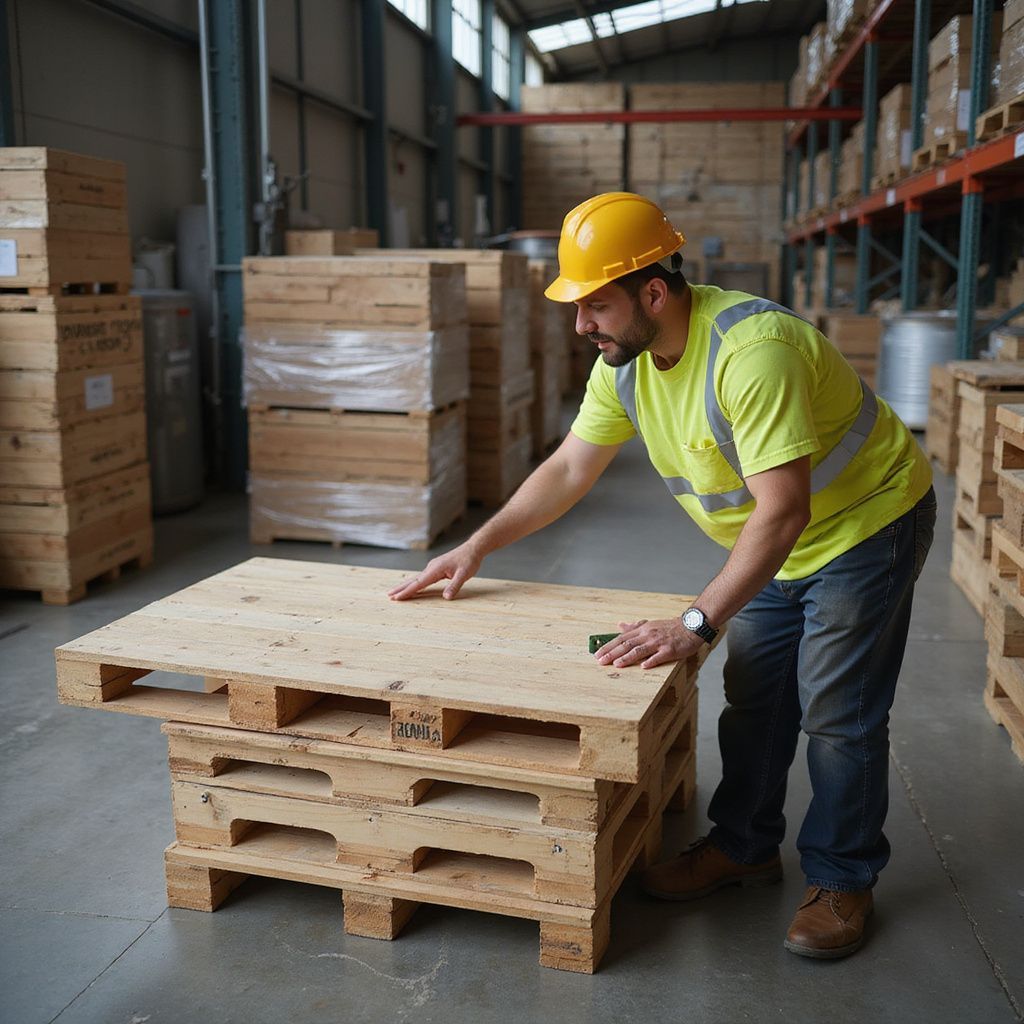
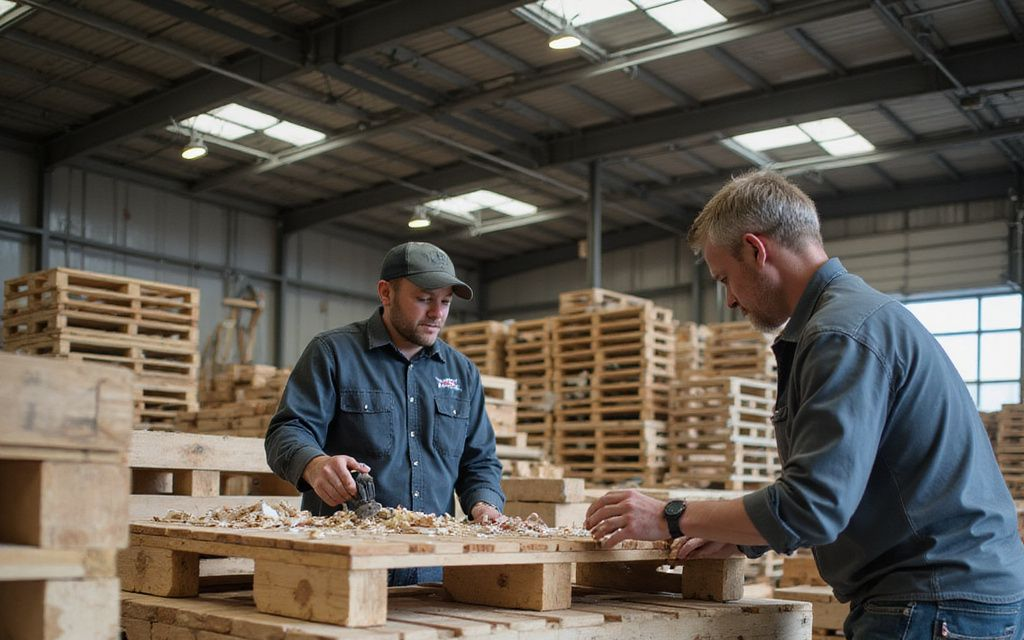
Even well‑designed pallets can become a liability if they are not properly inspected and maintained. Cracked boards, missing fasteners, and weakened joints can compromise structural integrity without being immediately obvious.
Damaged pallets increase the risk of product loss during forklift handling or transit and pose safety hazards to employees.
Regular inspection and repair programs help identify issues early, keeping pallets in serviceable condition and preventing small defects from becoming major failures.
Mistake: Inconsistent Pallet Quality Across Operations
Inconsistent pallet sizes, styles, or grades within the same operation can disrupt workflow and increase the risk of damage. Mixed pallet inventories often lead to uneven stacking, poor load alignment, and difficulty integrating with racking systems or automated equipment.
Standardizing pallet specifications improves predictability across the supply chain. When pallets are consistent, loads stack more evenly, forklifts handle them more smoothly, and products are less likely to shift or fall during movement.
Consistency is a key factor in reducing both damage and downtime.
Mistake: Improper Handling and Storage of Pallets
Pallet damage does not always occur during shipping. Improper storage and handling within the warehouse can weaken pallets long before they reach a truck.
Storing pallets in damp environments, stacking them unevenly, or dropping them carelessly can cause hidden structural damage.
Employee training plays an important role here. When warehouse teams understand how pallet condition affects product safety, they are more likely to handle pallets with care and report damaged units before they are reused. Protecting pallets helps protect the products they support.
Building a Smarter Pallet Strategy
Avoiding these common mistakes requires viewing pallets as a strategic part of logistics operations, not just a disposable platform. A smart pallet strategy considers the full lifecycle of the pallet, from selection and use to inspection, repair, and recycling.
By choosing pallets that match operational needs, maintaining consistent quality, and implementing inspection and training programs, businesses can significantly reduce product damage.
Having a proactive approach not only protects goods but also supports smoother workflows, safer facilities, and more predictable costs.
A Strong Foundation Makes All the Difference
Product damage often starts at the foundation. When pallets are overlooked, even the best packaging and handling processes can fall short.
By addressing pallet selection, condition, consistency, and handling practices, warehouses and logistics teams can eliminate a major source of preventable loss.
Small improvements in pallet management can lead to measurable gains in safety and customer satisfaction, proving that strong supply chains are built from the ground up.
Let's Build the Right Pallet Solution for Your Business
Whether you need custom pallets, recycled options, or a complete pallet management solution, Global Industrial Commodities is ready to help.
If you're looking to improve efficiency, reduce waste, and gain a pallet partner you can rely on, we invite you to
connect with our team.
Let's design a solution that moves your business forward, one pallet at a time.