
Top Signs Your Warehouse Needs a Pallet Program Audit
Pallets often go unnoticed, seen only as simple platforms that move goods from one point to another. But when pallet issues start to surface, they can quietly drain your budget, slow operations, and put workers and products at risk.
That’s where a pallet program audit comes in. Understanding the health of your pallet supply, usage habits, and storage practices can illuminate hidden inefficiencies long before they turn into costly problems.
If your warehouse hasn't performed a pallet program audit recently, here are key warning signs that it may be time to take action before issues escalate.
Rising Rates of Product Damage During Handling or Transport
If your warehouse is seeing an uptick in crushed cartons, punctured goods, shifting loads, or unstable stacking, your pallets may be to blame. The wrong pallet type or a pallet in poor condition can directly lead to product damage, delays, and dissatisfied customers.
Product damage is often one of the earliest indicators that your pallet pool is aging, inconsistent, or no longer suited to your weight or load type.
An audit helps determine whether you need stronger materials, tighter quality control, or different pallet dimensions to stabilize loads.
Increased Workplace Injuries or Near‑Miss Incidents
Pallet‑handling injuries are common (and mostly preventable) when warehouses adopt the proper training and maintain high‑quality pallets. Damaged or poorly built pallets can lead to splinters, collapses, tip‑overs, and unsafe lifting conditions.
If your safety reports show more incidents related to pallet breakage, defective boards, or unstable stacking, it's a red flag. An audit can help identify the condition of your current pallet inventory and determine whether you need stricter quality standards, improved training, or better control of pallet rotation.
Frequent Load Instability or Difficulty Integrating Pallets with Your Equipment
Pallets interact closely with forklifts, racking systems, conveyors, and automated machinery. When pallets are inconsistent in size, weight capacity, or structural integrity, they can jam equipment, slow down loading and unloading, or misalign with automated systems.
Warehouse efficiency depends heavily on the right pallet choice and consistent quality; poor‑quality pallets disrupt workflow and increase downtime.
If you see repeated jams, tipped loads, or equipment alarms triggered by pallet variance, an audit can assess whether your pallets match your systems' requirements.

Growing Piles of Broken, Unusable, or Idle Pallets
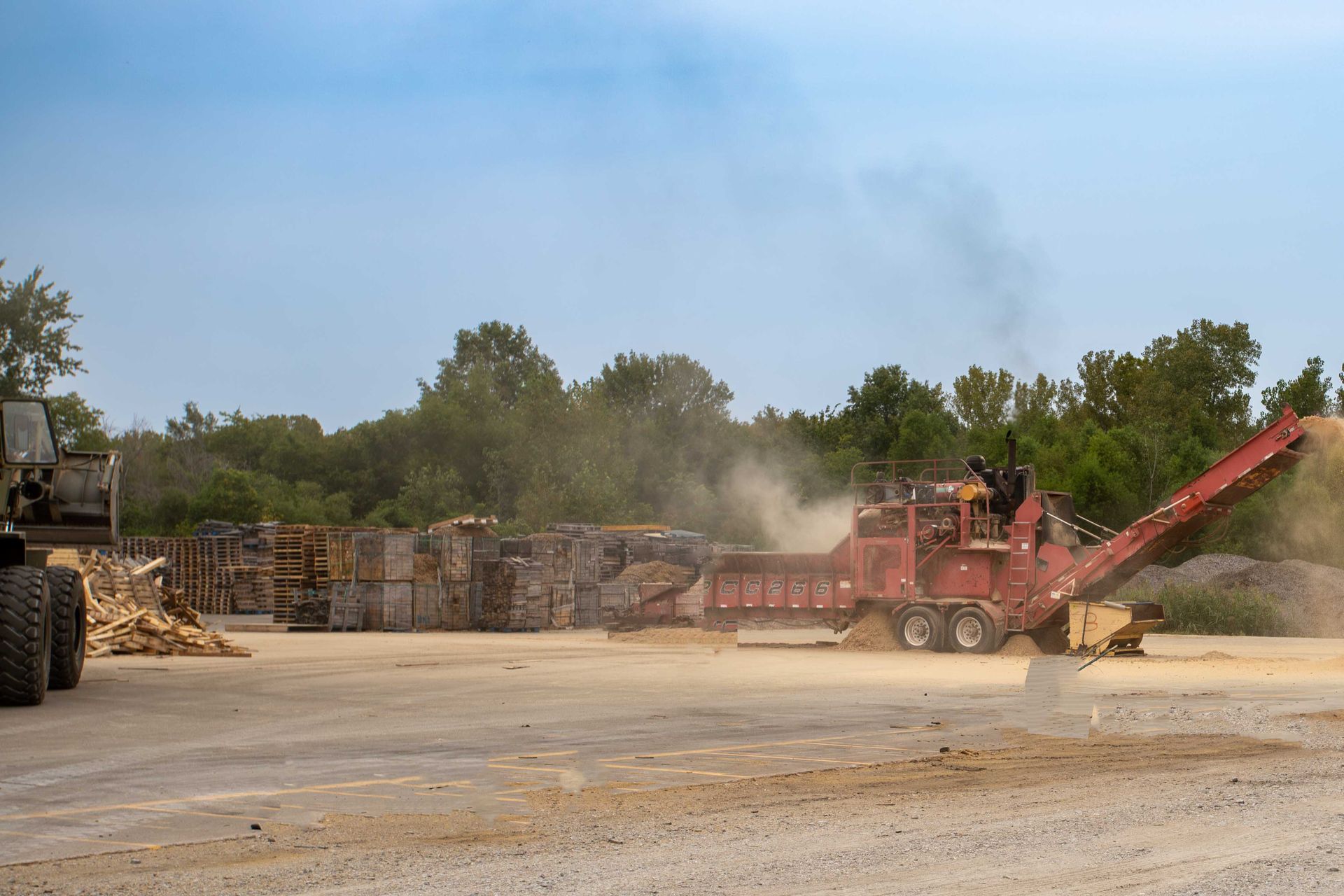
If your warehouse yard is accumulating stacks of bent, broken, or low‑quality pallets, it’s more than just a storage issue; it's a cost issue. An unmanaged pallet surplus increases fire risk, creates trip hazards, consumes valuable yard space, and usually signals poor circulation or inefficient sorting.
Recycled and repaired pallets can remain reliable when maintained correctly, but a buildup of damaged pallets suggests your current program is failing to recycle, repair, or rotate inventory effectively.
A pallet program audit can reveal if you need more consistent recycling processes, vendor support, or internal quality grading.
Supply Shortages or Inconsistent Pallet Availability
If your team frequently scrambles to find usable pallets at the start of a shift, your pallet pool may be unbalanced or underserved. Supply shortages often stem from a few core issues.
- Overuse of certain pallet types
- Poor repair and rotation habits
- Mismanagement of recycled vs. new pallets
- Inefficient vendor sourcing
An audit can help recalibrate your inventory levels, identify consumption patterns, and recommend more reliable sourcing strategies.
Higher‑Than‑Normal Pallet Breakage Rates
When pallets break more often than usual, especially under normal load conditions, it's typically a symptom of a larger problem.
- Load mismatch
- Pallet age and fatigue
- Environmental stress
- Improper storage conditions
Environmental conditions such as humidity, sunlight, and temperature fluctuations weaken pallets over time.
An audit can assess storage practices, material choices, and whether your pallets are suited to your warehouse's climate and usage.
Lack of Visibility Into Your Pallet Lifecycle or Supplier Performance
Many warehouses don't track where pallets come from, how long they last, or how many cycles they complete. Without visibility, inefficiencies go unnoticed, and costs rise quietly.
Extending pallet lifespan requires intentional monitoring, and a pallet program audit can reveal key indicators of each pallet's expected longevity.
- Pallet lifespan by type
- Failure patterns
- Repair needs
- Vendor consistency
- Opportunities for recycling or cost savings
This data arms your warehouse with clarity and control.
Sustainability Goals Aren't Being Met
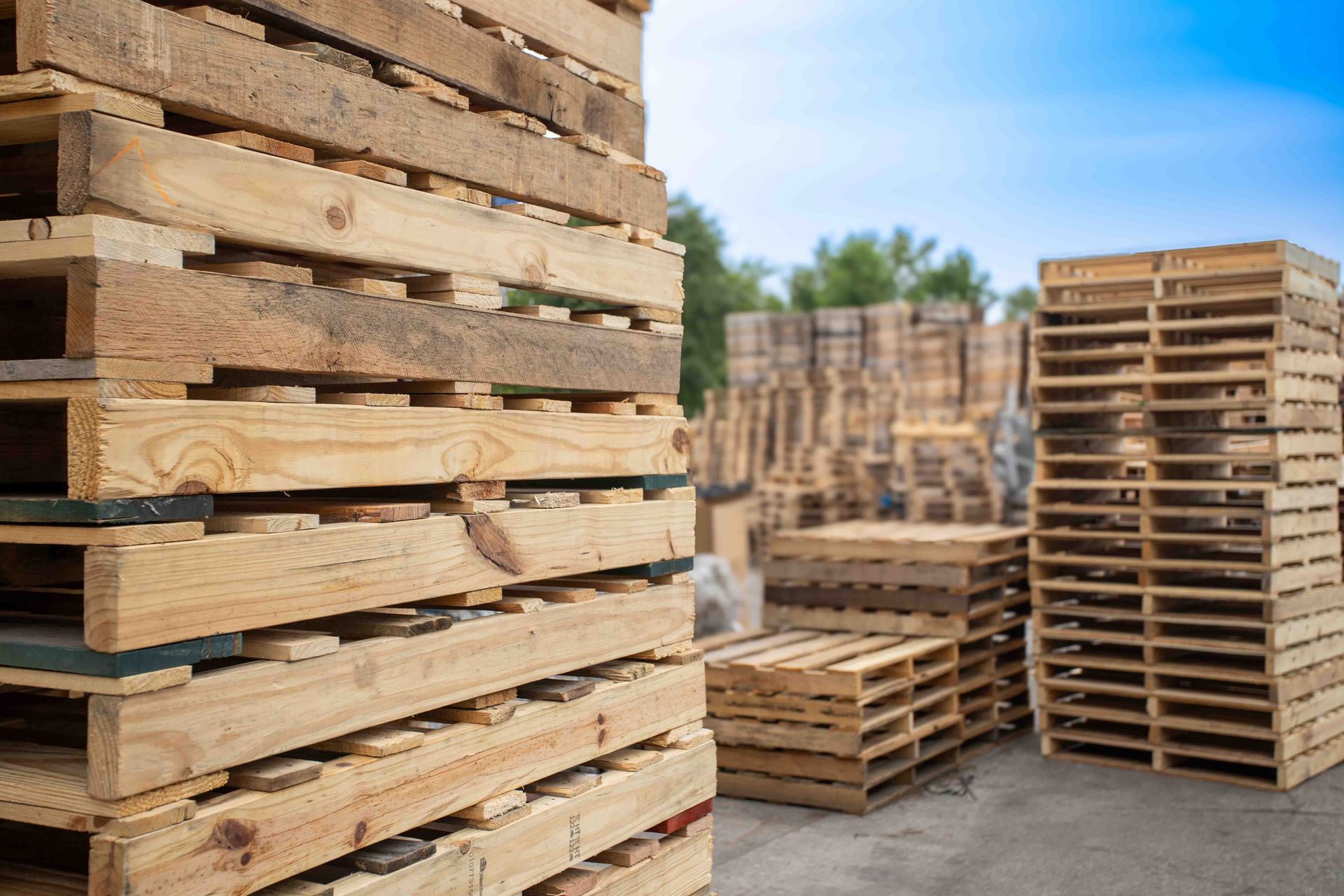
If your company is working toward zero‑waste or carbon‑reduction goals, but progress feels slow, your pallet program may be part of the cause. Pallet recycling significantly supports sustainability by reducing waste, lowering carbon footprint, and promoting circular economy principles.
An audit identifies how many pallets your warehouse can repair, recycle, or repurpose, and how many are going to waste unnecessarily.
Partner With Global ICB
If your warehouse has experienced any of the signs above, now is the perfect time to reassess your program.
With proper guidance, consistent quality control, and the right recycling or refurbishment strategy, your pallets can once again support a strong, reliable workflow from dock to delivery.
When you're ready, Global ICB is here to help you evaluate, optimize, and streamline your pallet operations.
Contact us today!