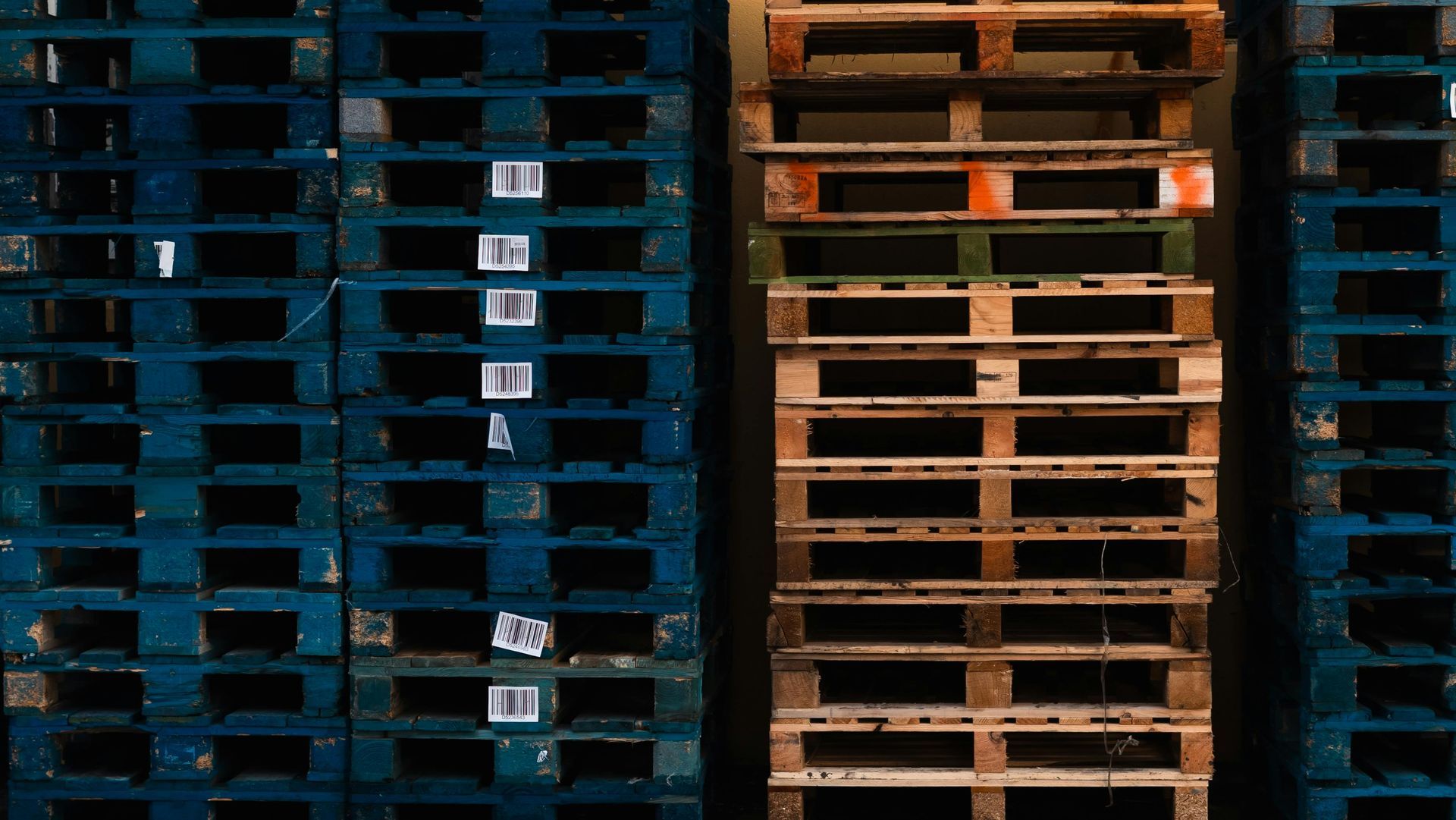
Pallets are the backbone of warehouse operations, material-handling workflows, and supply chains across the United States. They move every kind of product, and because they're so common, they often fade into the background.
But handling pallets, whether new, used, or recycled, carries real risks. A single damaged board or unsafe lift can result in painful injuries, lost productivity, or damaged inventory.
At Global ICB, we work closely with warehouses, distribution centers, and manufacturers on a daily basis. We see the difference that proper pallet quality and safe handling practices make.
Below, we break down the most common pallet-related injuries and what you can do to prevent them.
Back, Shoulder, and Musculoskeletal Injuries
Improper lifting is one of the leading causes of warehouse injuries, and pallets are a common culprit.
A standard wooden pallet weighs between 30 and 70 pounds, depending on its size and material. Lifting one with poor form, twisting while carrying it, or trying to move too many at once often leads to strains, pulled muscles, or chronic back pain.
How To Prevent These Injuries
- Bend at the knees, not the waist
- Keep the load close to your body
- Avoid twisting while lifting or lowering
- Team-lift heavier pallets or use pallet jacks and forklifts instead of manual handling
Teaching proper lifting techniques during onboarding, plus annual refreshers, goes a long way.
Hand and Foot Injuries: Splinters, Cuts, and Crushed Toes
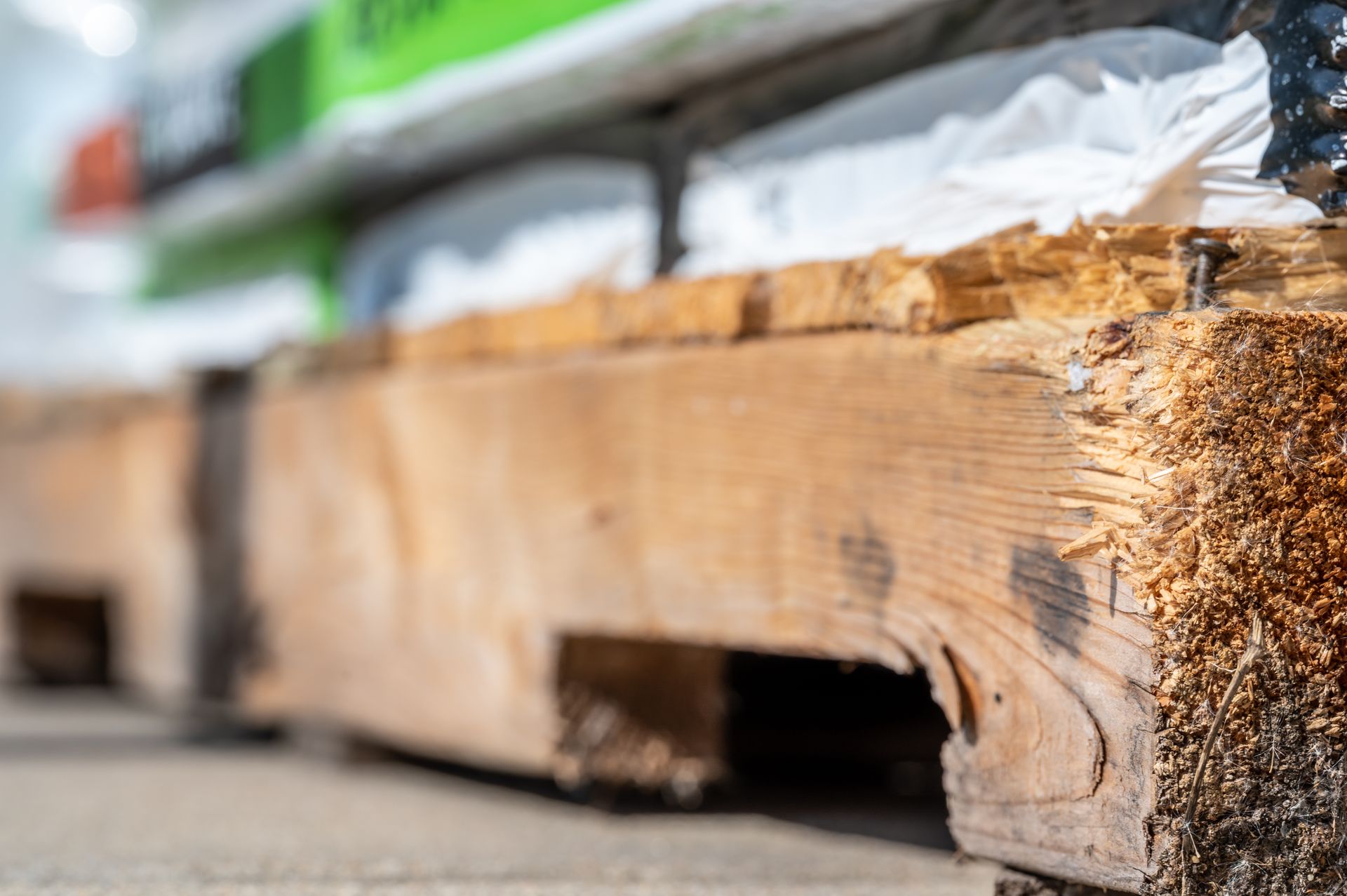
Wooden pallets inevitably develop splinters, cracks, or exposed nails, especially when mishandled or overloaded. Workers commonly suffer cuts, punctures, and scraped knuckles when grabbing pallet stringers or deck boards.
Dropped pallets can also cause crushed toes, even for experienced staff.
How To Prevent These Injuries
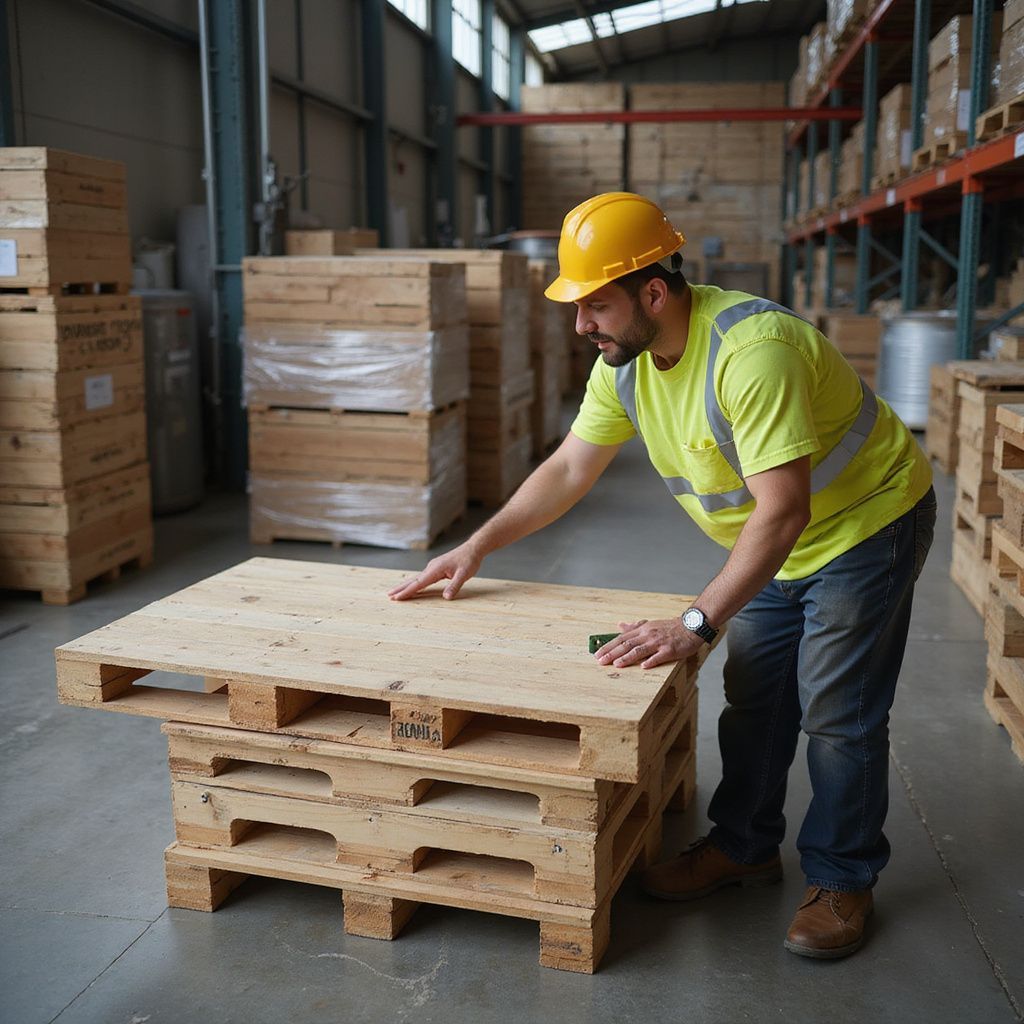
- Inspect every pallet before use
- Require gloves and safety shoes in the pallet-handling areas
- Remove damaged pallets from circulation instead of "making do"
- Use two hands and maintain a firm grip when lifting or shifting a pallet
Quality pallets and consistent screening are key to eliminating many of these hazards.
Slips, Trips, and Falls
Slips and trips are among the most common warehouse accidents, and pallet clutter is often a contributing factor. A stray board, loose shrink wrap, or a pallet left in a walkway can create an unexpected obstacle. Wet floors or uneven surfaces also significantly increase the risk.
How To Prevent These Injuries
- Keep walkways clear of pallets and debris
- Assign designated staging and stacking areas
- Clean spills immediately
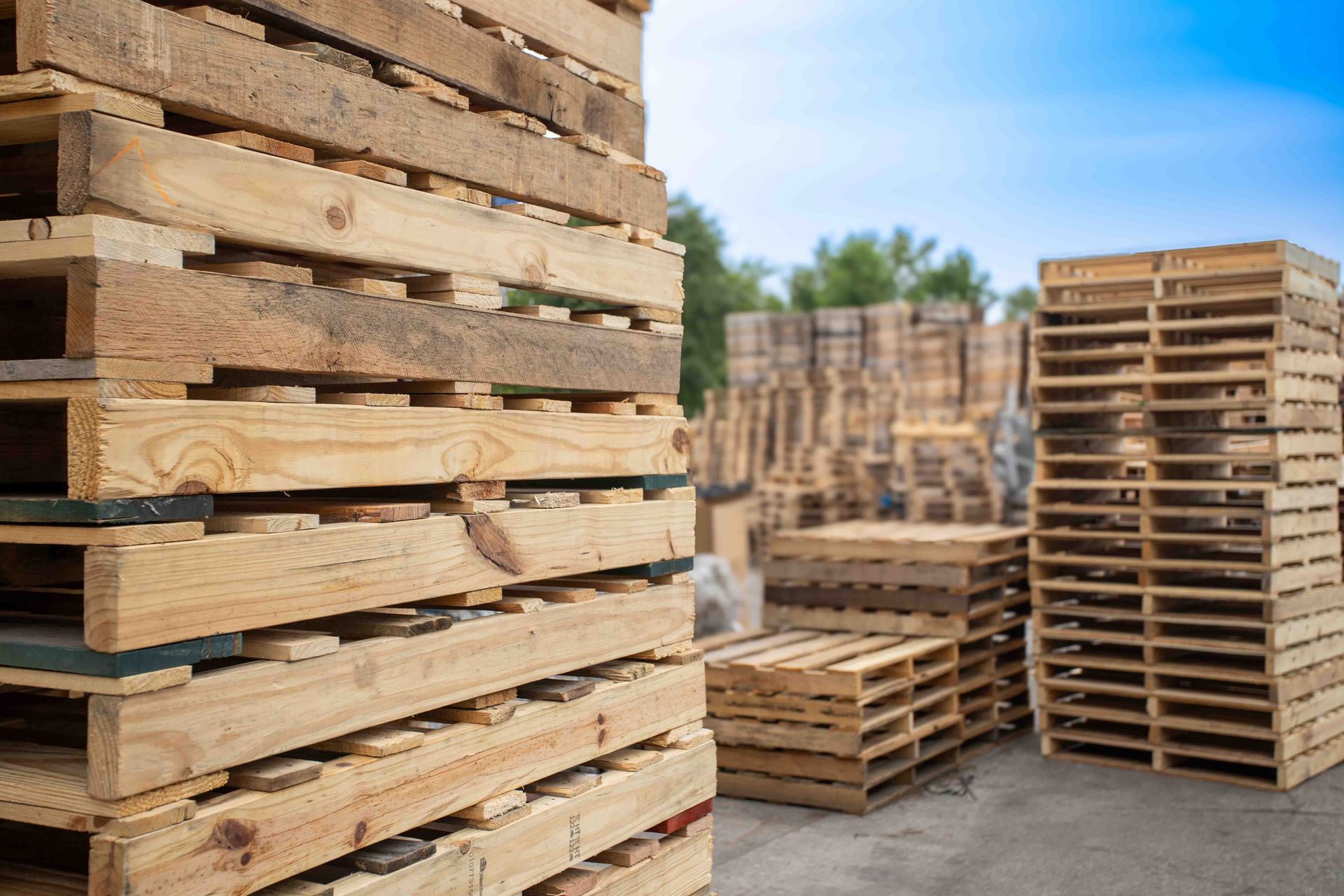
- Ensure stacks are neat, flat, and stable
Better housekeeping leads to safer aisles and fewer surprises.